Ready for CEQA work in Mendocino!

TransTerra has now been added to the list of consultants eligible to perform Appendix G CEQA work. Tamara Camper has 20 years of experience working on CEQA documents and has completed numerous Initial Studies and Mitigated Negative Declarations on a variety of projects. Margaux is now in her second year with our firm and has been a great help in doing all of the research and document drafting. We are excited to offer this service along with our usual botanical surveys, wetland delineations and other natural resource studies in Mendocino County.

Mendocino County Cannabis information can be found here!

Caltrans A&E On Call Work With Stantec

More information to come, but TransTerra was able to join the Stantec team as a subcontractor for the 3.5 Year On-Call Environmental Services contract for District 3 of Caltrans and Stantec was awarded the Contract! We worked hard for our Women-Owned Business Enterprise (WBE)certificate and companies like Stantec add WBEs and other DBEs to their team. Having larger, diverse contracts has been a goal of our team since conception and we are very excited to work with Stantec on these upcoming projects . There will be additional contract awards in Districts 1 and 2 coming up, and we hope Stantec will be awarded those contracts as well. The DBE program through Caltrans is extremely beneficial for both small businesses and also for Caltrans and other agencies. Our low-overhead rates and low to no travel costs save the public a great deal of money. Having local biologists with relationships to agency personnel, an understanding of local issues and familiarity with local species is also beneficial to the agencies. Finally, small firms tend to have lower rates of turn-over, which means more continuity and fluidity in project management. We are looking forward to serving the public and meeting new colleagues.

Awesome Local Biologist Blog I Just Found!

The best thing about being a biologist (next to studying life…) is your colleagues! Since many of us are generalists, it is wonderful to connect to specialists, as many of our resources and impact analysis require specialists. I recently found a new specialist colleague while searching for assistance with protocol level surveys for Northern Spotted Owls and predator species that we are not currently equipped to handle for clients.

Phil Johnston is a professional wildlife tracker, photographer, nature writer, outdoor educator and musician. He lives in Humboldt County in far Northern California where he works for the Hoopa Valley Tribe as the Mountain Lion Biologist. 

His website (Earth at First Sight) is broken up into equally entertaining and informative sections with his own writing, photos and videos. He also offers tracking courses! I highly recommend you check it out!

Animals & land-A combination of amazing photographs and videos plus more in-depth information. Footage caught on Wildlife Cameras of deer brawling over minerals, curious fishers, bear wallowing, bobcats reacting to smelling Puma urine.

Field Work-A description of his work including Puma research and his tracking workshops.

Stories-A handful of great blog posts. Hope he writes more!

Also, here is a link to an article he contributed to regarding the impact of trespass cannabis cultivation on Puma.

Link to lectures posted on HSU

 
Pine Martin photo by Phil Johnston

Pine Martin photo by Phil Johnston

Photo from HSU LumberJack of Phil teach a tracking workshop. Photo by Walker B. True

Photo from HSU LumberJack of Phil teach a tracking workshop. Photo by Walker B. True

Welcome Holly!

Holly Vadurro will be joining the TransTerra team to assist with protocol level surveys, document preparation and wetland delineations!

Holly earned a Bachelor’s degree in Biology from College of Charleston, in 1996. She came to Humboldt State University through the student exchange program and knew she had found her home. She has been enjoying Humboldt County life ever since. During her first years here, her job enabled her to explore the expanse of Humboldt County and perform various biological field surveys including botanical, fishery, mollusk, amphibian, bryophyte and bird. She also performed landslide analysis. Later on, she worked at Winzler and Kelly Consulting Engineers (now GHD) as an Environmental Scientist and conducted wetland delineations, botanical surveys, and collected and analyzed water quality data. She understands the value of the importance between the protection of natural resources and the rights of private landowners. Holly is married to a Geologist and is raising three children. In her free time she enjoys watercolor, photography, yoga, and surfing.   

IMG-0140.jpg

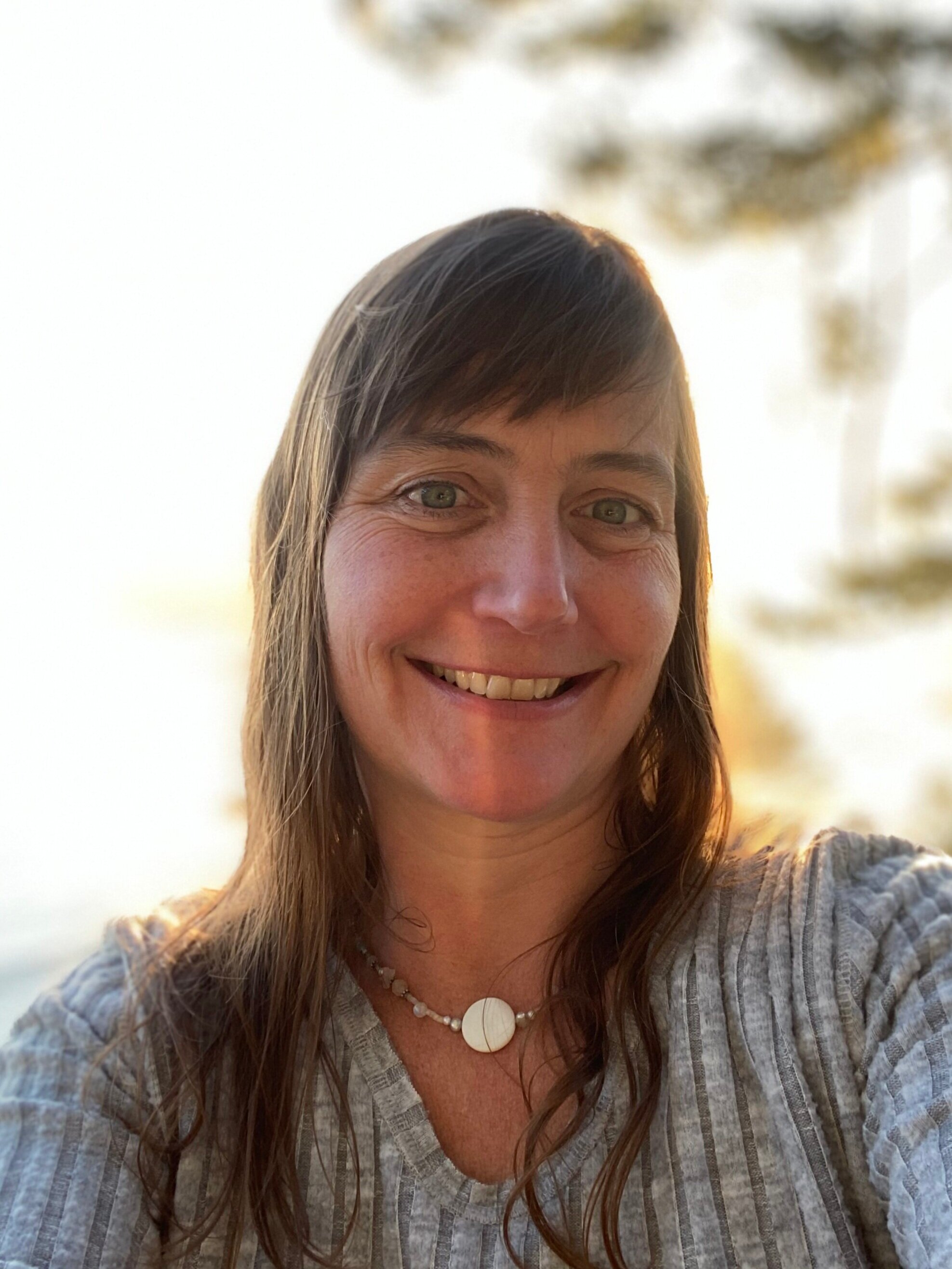
Holly Vadurro-Biologist/Botanist

We are hiring again!

 BIOLOGISTS-WILDLIFE TECHNICIANS-BOTANISTS-PLANNERS

Part-time-(Both Seasonal/Permanent)

Compensation – commensurate with experience (generally starts at $25/hr)

TransTerra Consultants, LLC is seeking Biologists, Planners,  Botanists and/or Wildlife Technicians for our private consulting firm located in Humboldt County, California. Our firm handles both private and public agency clients. We are seeking both entry-level and experienced staff.  Though specialization is often useful, generalists or multi-disciplinary staff will have a larger range of available projects to work on.

Due to the nature of the species studied, late March through September is the busiest time of the year and when seasonal staff will be most needed.  The schedule is ideal for graduate students. There will be opportunities for year-round work as well.  Full time work (40 hours) is not guaranteed and benefits are currently not provided beyond a flexible schedule, workman’s comp, paid holidays, 24 hours of annual sick leave and any job-related expenses (travel expenses and mileage etc.).  Our firm anticipates adding additional benefits such as health and 401K contributions in the near future.  The majority of our projects will be located in Humboldt County and will not require overnight trips; however, we have a number of fun projects through government contracts that will require overnight travel or extensive time in Mendocino, Trinity and Del Norte Counties and need some staff members that can work on these projects with minimal supervision.  Please indicate when applying whether overnight travel is feasible (it is not a requirement for all positions).   

Description
TransTerra Consulting LLC is seeking applicants to provide environmental services to support projects ranging from complex CEQA documents to simple studies and memoranda. Typical projects include biological assessments, monitoring reports, wetland  and waters delineations, biological monitoring, restoration plans, botany/wildlife surveys, permit applications, Initial Studies, and other types of environmental reports. The selected candidate will work on projects throughout coastal Northern California for various sectors including-non-profit, government, restoration, forestry, mining, development and agriculture (cannabis and other crops). The position involves opportunities for career growth/training and to build professional relationships with peers, regulatory agencies and clients.

Duties and Responsibilities

Survey, measure, and map rare species, wetlands/streams, habitats and other natural resources, gather and analyze data (office and field). follow established protocols, write and edit accurate and concise reports, work effectively with others as an interdisciplinary team member, maintain field equipment, review regulations concerning environmental resources, map creation/GIS, thoughtfully  analyze environmental situations, assist with research and monitoring design.

Qualifications and Essential Skills
4-year degree in wildlife, environmental science, natural resources, or related fields. high attention to detail, commitment to producing quality work, positive attitude, strong work ethic, and ability to work both alone and in a team setting and ability to maintain professionalism and objectivity in the workplace.

Additional Desirable Skills and Experience

Botany or vegetation science, wetland delineation, knowledge of CEQA/NEPA, operation of all-terrain vehicles (ATVs and 4WD vehicles), operation of hand tools (clinometer, compass, loggers tape, soil probe), map creation (Google Earth and ESRI ArcGIS); Soils/Erosion/Stormwater, mobile mapping (tablet computer, external GPS, mobile mapping software, experience with Microsoft Office Software, Adobe and other software (including file management, time tracking and data processing).

Specialties that are highly valuable for upcoming work at TransTerra include knowledge and experience in:

  • Floristic Survey and Plant Identification

  • Wetland Science

  • Stream and Riparian Mapping

  • Vegetation Mapping

  • Habitat Assessment for Rare Species

  • CEQA/NEPA document writing

  • GIS Mapping

  • Amphibian Surveys

  • Migratory Bird and Raptor Identification

  • Research and Document Review

  • Project Management, Contract Management and Budgets

Work Environment

A portion of the work is performed in the field. Fieldwork involves exposure to all types of weather, slippery rocks, trails, irregular terrain, insects, poison oak, rough or fast-moving water. The incumbent must be able to handle daily periods of hiking, carrying equipment, and/or standing.   Work is also performed in an office setting with adequate lighting, heating and ventilation. Remote work or tele-work is optional through negotiated conditions.

Professional development and training will be offered when feasible (wetland delineation, vegetation mapping, professional workshops). The job offers a wide variety of OTJ training and projects with a full-spectrum of environmental issues.

Our small firm is casual but professional and sensitive to various aspects of life such as families, friends and recreation. We always focus on delivering the utmost quality of service to our clients for projects in Coastal Northern California and beyond, however a healthy work/life balance is considered essential in our firm and our approach to scheduling and staffing is unique and progressive. We strive not only to find appropriate staff for our projects, but to seek out and take on projects that interest our staff. We conduct annual assessments of professional goals and work as a team to improve the quality of our work life.

Interested?

Please review our website to better understand our company and our projects.  Send your resume, references, along with a narrative describing how you fit our needs and why you think you would enjoy working with us to:admin@trans-terra.com.  Email or call Tami Camper with any questions.  707-840-4772.

Adrian is Presenting his Thesis Today!

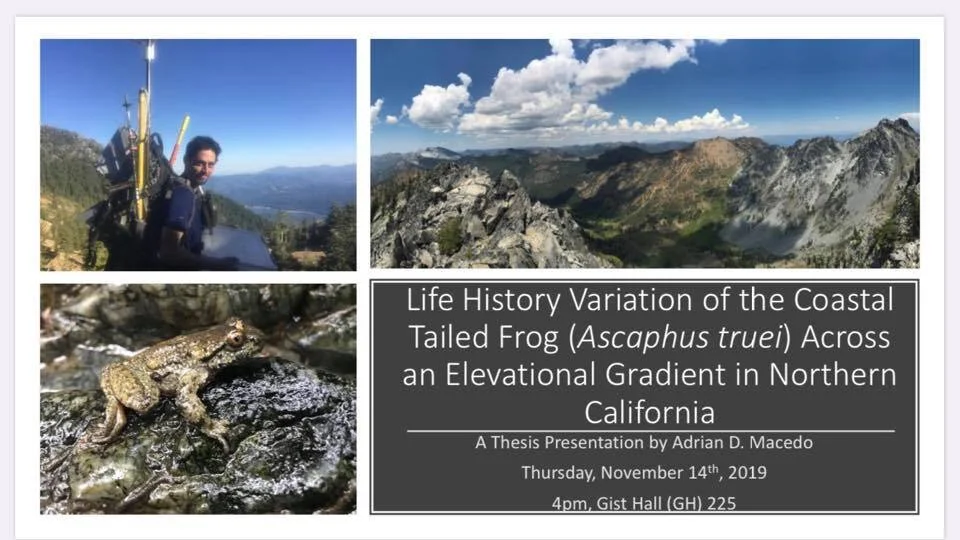
Our own Adrian Macedo will be presenting his thesis today on the history of Tailed Frogs Across Elevation Gains in Northern California today at 4pm in Gist Hall. Adrian has done important work in the conservation for many species in addition to the his work with Tailed Frogs. He has had a lifetime of experience in biology as his father is the branch chief of the California Department of Fish and Wildlife Habitat Conservation Planning Branch. Adrian has received multiple scholarships and awards and has an exhaustive resume of accomplishments. We are very grateful for his work with us this summer, helping us identify species of special concern including raptors and amphibians. Congratulations Adrian!

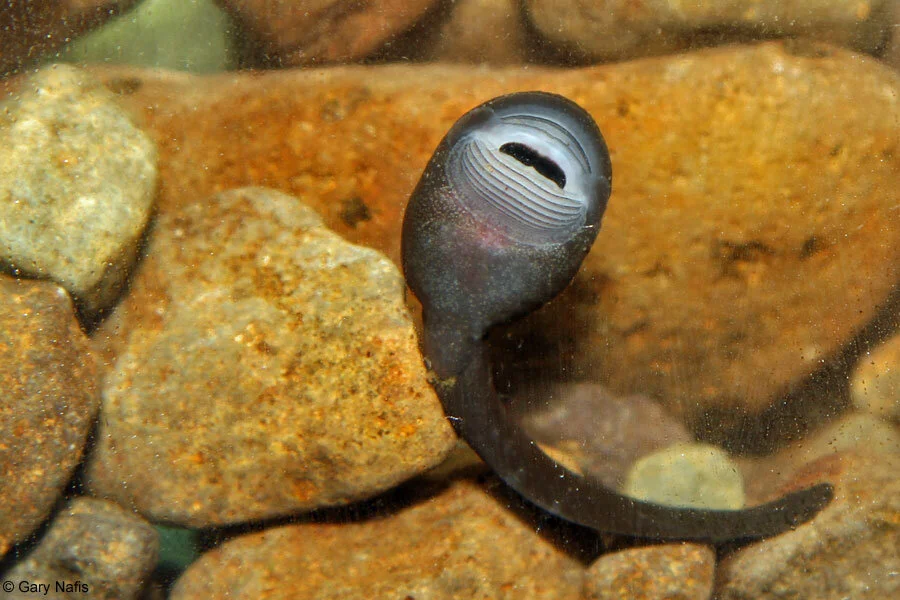
Most tadpoles have mouths at the front of the head, but the mouth of a Coastal Tailed Frog tadpole is underneath the head, which is flattened. The mouth position and head shape, along with specialized folds that create suction, help a tadpole cling …

Most tadpoles have mouths at the front of the head, but the mouth of a Coastal Tailed Frog tadpole is underneath the head, which is flattened. The mouth position and head shape, along with specialized folds that create suction, help a tadpole cling to a rock surface while keeping its body close to the rock. This allows a tailed frog tadpole to scrape food off the surface of underwater rocks in fast-moving creeks without letting the swift current wash it downstream. (California Herps 2019)

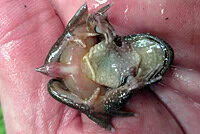
Adult male Coastal Tailed Frog showing his tail-like copulatory organ. This organ, an extension of the cloaca, is used to transfer sperm into the female's cloaca during amplexus. She then holds the fertilized eggs for 9 or 10 months when she swims u…

Adult male Coastal Tailed Frog showing his tail-like copulatory organ. This organ, an extension of the cloaca, is used to transfer sperm into the female's cloaca during amplexus. She then holds the fertilized eggs for 9 or 10 months when she swims under a large stone on the bottom of a fast-moving creek and attaches the eggs to the bottom of the stone. This internal fertilization strategy lets tailed frogs breed in fast-moving water without the eggs washing away, which would happen if they were laid and fertilized on the surface of the water. (California Herps 2019)

Awarded Willits Mitigation Monitoring

We are very excited to announce that our team was awarded the Willits Bypass Mitigation Monitoring Contract. The contract was estimated at $10-17 Million for five years and includes a range of data collection. TransTerra staff will be able to partner up with both old colleagues and new faces from a diverse group of highly skilled consultants to assist the Mendocino County Resource Conservation District, Caltrans North Region and ICF in monitoring efforts. The Mitigation Bank was constructed by Hanford and though the Willts Bypass project was quite controversial the mitigation bank has so many excited features. Check out the MCRCD Willits Bypass Mitigation page, full of updates, species observations and opportunities to contribute.

Full Mitigation and Monitoring Proposal is located here.

TransTerra Associate Biologist Adrian Macedo and Principal Biologist and Founder, Tamara Camper, have worked with the MCRCD on various projects throughout their careers. The MCRCD has a link to a downloadable field guide and office guide for rare plants on timberlands in Mendocino County by Gordon McBride. Tamara worked on and edited along with botanists Shayne Greene, Geri Hulse-Stephens and Dorothy Mahoney.

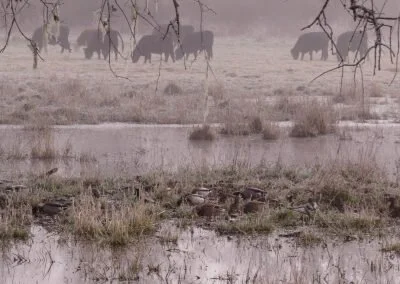
Photo Credit-Mendocino County Resource Conservation District

Photo Credit-Mendocino County Resource Conservation District

Updating Regulations on Water Quality Certification

In addition to many other environmental policies, there are numerous factions involved in changing our water quality regulations and various aspects of the Clean Water Act. Stay updated here and elsewhere in the news.

Wikipedia has a fairly straightforward account of the background behind the rules. Understanding the jurisdiction over various isolated wetlands, ephemeral streams and man-made waters has been a confusing subject for permitting biologists for quite some time. There are also other agencies including the Coastal Commission, California Department of Fish and Wildlife, US Fish and Wildlife, Tribal Governments, National Marine Fisheries Service and local municipalities that often claim jurisdiction or require permits for various wetlands and waters impacts. Oftentimes these agencies have conflicting goals or management principals and permit applicants/consulting biologists must learn negotiation techniques and conflict management to find solutions that will be acceptable by all of the resource agencies.

An example that comes up frequently is when one agency wants a man-made feature, such as a ditch or pond removed, and another agency would like it preserved as it is functioning as habitat for various aquatic species. Another is when one agency wants invasive species removed but another agency may want the species left in place as the removal may impact water quality (I was once told on a site-visit that my proposal to remove “old growth Pampas grass” was unacceptable as it would cause erosion). Yet another example is when one agency would like for a mitigation project to create a certain kind of habitat and another agency argues that it should be a different habitat type. In most cases there are valid arguments on all sides, but a great deal of staff time and money (both private and public) are exhausted determining which agency has jurisdiction when there are overlapping areas.

There is so much going on in the world right now, and it is hard to keep up on everything, but our water quality is important and regardless of where one stands politically, it is up to all of us to pay attention and be involved in the process of how water resources are protected and managed.

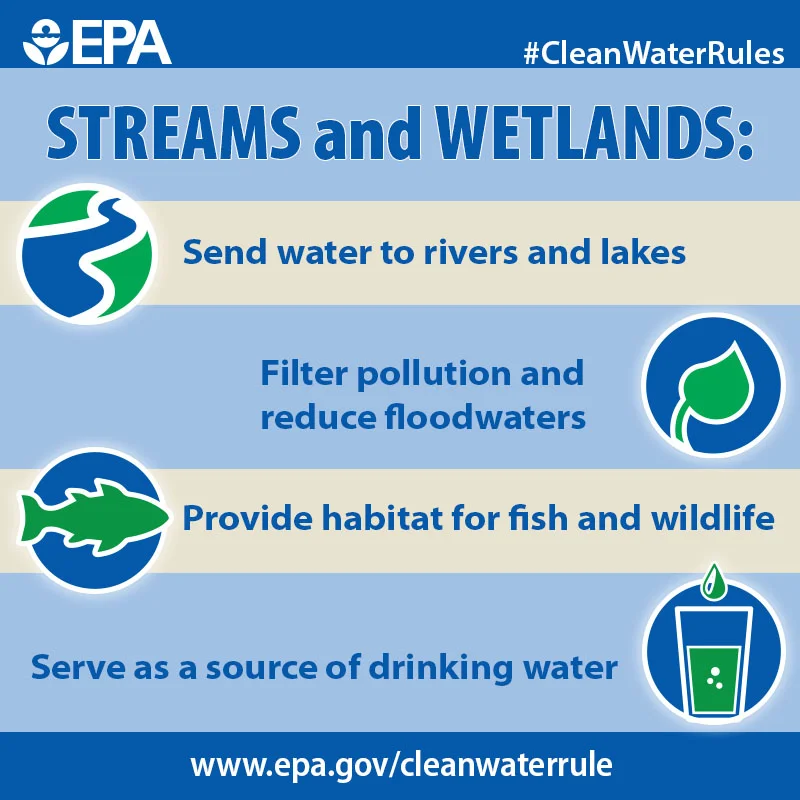
Streams_and_Wetlands_(16823822718).jpg

Help is Here for Environmental Compliance in the Cannabis Industry!

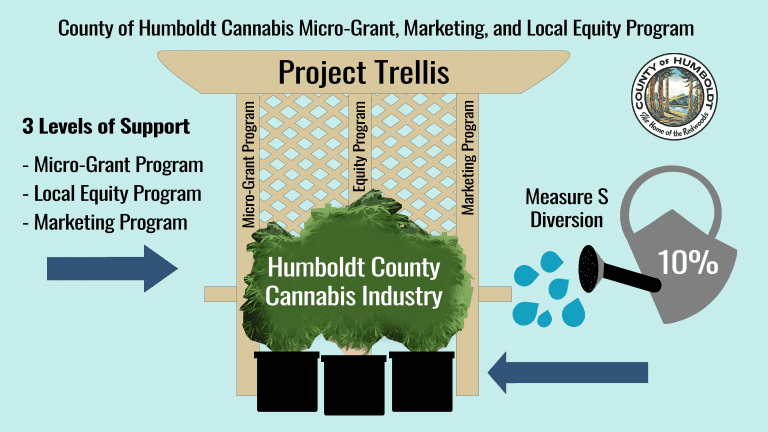
Environmental laws and policies can be difficult to navigate and compliance can be economically devastating. Humboldt County is attempting to help small farmers achieve compliance through the Project Trellis program. TransTerra Staff has years of experience navigating grant applications, assisting with permits, planning and implementing restoration and identifying setbacks and alternatives to projects. We specialize in Items 4 and 7 of the services offered, especially with Loans or Grants for purposes of assuring compliance, permits, mitigation, water storage, remediation, and streamside setbacks.

Read below and contact us with any questions to discuss how TransTerra can help secure assistance for your project. We have combined decades of knowledge related to this region and the cannabis industry with a passion for the continual preservation of our natural resources and understanding of micro/macro economics and the hardships faced by small business. We have brainstormed various ways and reached out to other experienced professionals to design watershed based approaches that are cost-effective, efficient, and feasible. Read the information below as well as documents provided in the links and contact us if you’d like further information and would like to work together to secure projects for funding.

Trellia.png

.

The Humboldt County Board of Supervisors approved Project Trellis to assist the cannabis industry, and protect future cannabis excise tax revenues (secured by Measure S) Goals include”

  • provide services to populations and communities in Humboldt who were adversely affected by the criminalization of cannabis,

  • to develop a framework for supportive programs designed to sustain and grow Humboldt’s cannabis industry,

  • and to assist cannabis businesses as they work to overcome the financial and logistical challenges of coming into compliance.

Funding for the program will come from local cannabis excise tax revenues, cannabis fines and fees, and state funding via SB 1294.

Program Details

Project Trellis is broken into three parts:

Micro-grant program

This program is aimed at providing capital assistance and business resources to Humboldt County cannabis businesses.

Marketing and promotion

This initiative is designed to promote Humboldt-grown cannabis as a national and industry brand.

Local Equity Program

To serve those communities and individuals impacted by the war on drugs, and the implementation of which also serves as part of the qualifying criteria to receive Senate Bill 1294 funding. A manual was designed to describe the requirements for licensees of, or those seeking to apply to the Humboldt County Cannabis Local Equity Program (CLEP).

The Lost Coast Outpost has various articles available on it’s website.

Here is a list of some services offered:

1. Waiver of fees for Application Assistance Meetings of up to four hours, with the Cannabis Services Division of the Department of Planning and Building;

2. Cannabis Business Development Assistance from the Office of Economic Development, including business planning, loan application preparation, human resource management, bookkeeping and accounting practices and systems, etc.;

3. Deferral of payment of Application Fees for Cannabis Activity Zoning Clearance Certificates or Special Permit or Use Permit for a period not to exceed three (3) years;

4. Technical Assistance for the formation and administration of Road Maintenance Associations for public and private road networks providing access to cannabis activity operations by eligible cannabis equity program applicants or licensees, where such road networks may adversely impact watersheds providing habitat for threatened or endangered species; (This is where we shine!!!)

5. Waiver or deferral of fees for training and certification by the Agricultural Commissioner’s office for Weights and Measures and Pesticide Applicators requirements or certification of scales used in cannabis licensed businesses in Humboldt County;

6. Technical Assistance for the formation of cannabis cooperative associations pursuant to Business and Professions Code sections 26220 -26231.2 the majority membership of which is comprised of cannabis equity program applicants or licensees.

7. Loans or Grants for purposes of assuring compliance with regulatory requirements of local or state permits or licenses that mitigate adverse environmental effects of cannabis cultivation or other activities including, but not limited to: a. Water storage for irrigation during forbearance periods of surface water diversion required by state or local regulations; b. Remediation and relocation of cannabis facilities located within streamside setbacks required by state or local regulation; c. Installation of solar electrical systems to replace diesel or gasoline generator power for off-grid cannabis facilities where connecting to the grid is economically infeasible. (We can help here too!!)

8. Employment skill training for eligible equity participants employed or seeking employment in licensed cannabis operations in Humboldt County

Our Botanist is a Star!

Our botanist Megan Nibbelink recently presented at the Botanical Society of America!

Megan’s passion is paleobotany and this is her current research:

Megan Nibbelink, Humboldt State University, Advisor: Mihai Tomescu, For the Presentation: Exploring zosterophyll diversity in the Emsian (Early Devonian) permineralized assemblages of the Battery Point Formation (Québec, Canada)
Co-author: Alexandru Tomescu

She received a Vernon I. Cheadle Student Travel Award for the conference and traveled all the way to Tucson from Humboldt with some botany friends and no A/C .

You can read the abstract of her research presentation here and the entire conference schedule here .

Here is more on Zosterophyllophytes

65832789_153019689090469_5531856318809857589_n(1).jpg