wildlife

Awesome Local Biologist Blog I Just Found!

The best thing about being a biologist (next to studying life…) is your colleagues! Since many of us are generalists, it is wonderful to connect to specialists, as many of our resources and impact analysis require specialists. I recently found a new specialist colleague while searching for assistance with protocol level surveys for Northern Spotted Owls and predator species that we are not currently equipped to handle for clients.

Phil Johnston is a professional wildlife tracker, photographer, nature writer, outdoor educator and musician. He lives in Humboldt County in far Northern California where he works for the Hoopa Valley Tribe as the Mountain Lion Biologist. 

His website (Earth at First Sight) is broken up into equally entertaining and informative sections with his own writing, photos and videos. He also offers tracking courses! I highly recommend you check it out!

Animals & land-A combination of amazing photographs and videos plus more in-depth information. Footage caught on Wildlife Cameras of deer brawling over minerals, curious fishers, bear wallowing, bobcats reacting to smelling Puma urine.

Field Work-A description of his work including Puma research and his tracking workshops.

Stories-A handful of great blog posts. Hope he writes more!

Also, here is a link to an article he contributed to regarding the impact of trespass cannabis cultivation on Puma.
Link to lectures posted on HSU

 
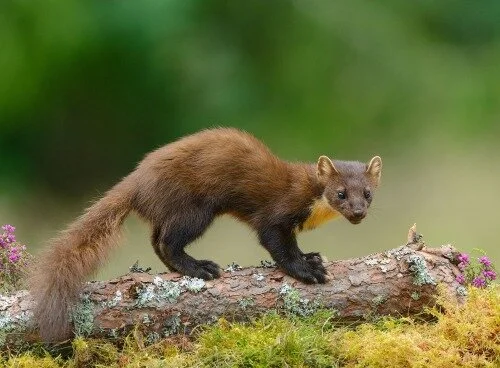
Pine Martin photo by Phil Johnston

Pine Martin photo by Phil Johnston

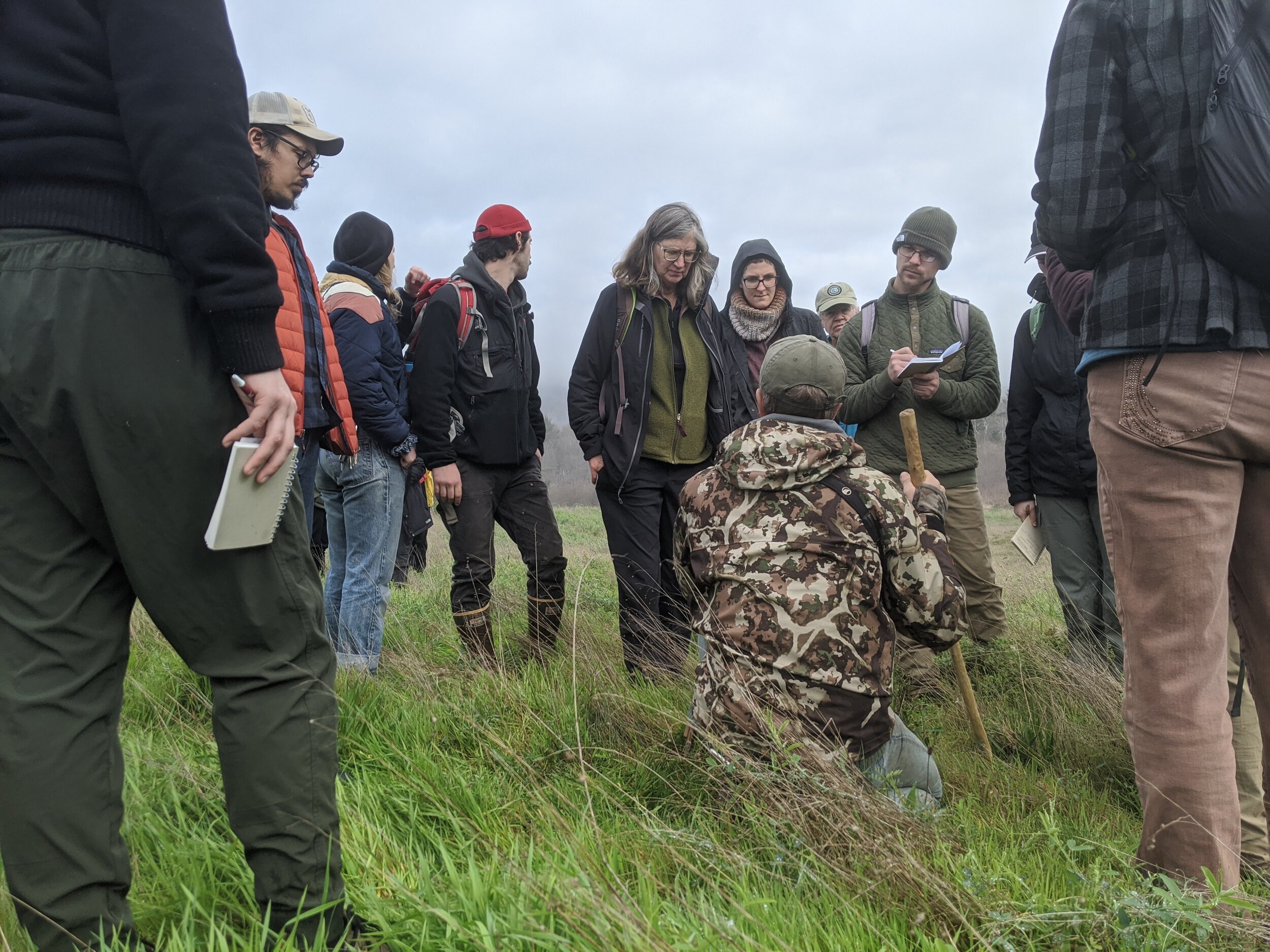
Photo from HSU LumberJack of Phil teach a tracking workshop. Photo by Walker B. True
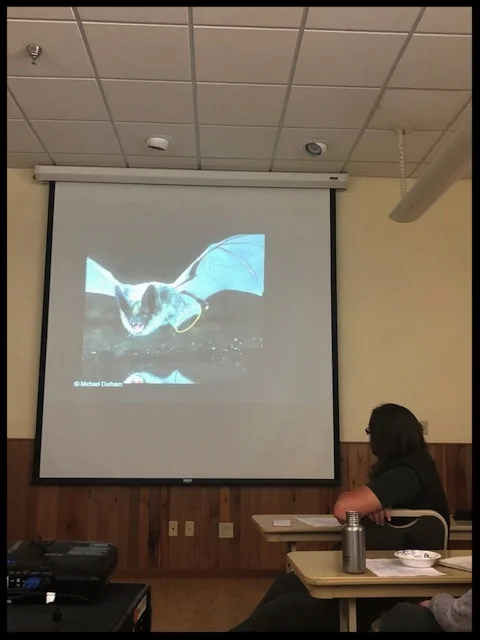
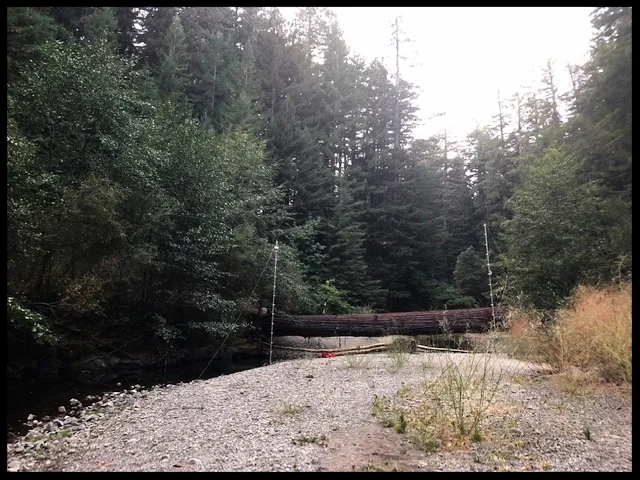
Photo from HSU LumberJack of Phil teach a tracking workshop. Photo by Walker B. True
Diversity in the Western Wildlife Society

The Western Section of the Wildlife Society is an excellent way to learn more about and engage with local wildlife biologists and environmental scientists. TWS recognizes the importance of wildlife diversity, research and education and offers a wide-ranging list of courses, publications and social gatherings. TWS is working to promote more human diversity as well with a diversity committee.

The committee recognizes that diversity stems from not only ethnic and gender composition, but also cultural heritage, life and career experiences, economic backgrounds and abilities.They are committed to continuing efforts to attract, encourage, and fully develop talent from the full range of members.​

The goals of the Western Section Diversity Committee are to: 

  • Engage youth to encourage interest in wildlife, conservation, and the field of wildlife biology;

  • foster a welcoming, inclusive and supportive environment for members of the society from underrepresented groups to achieve professional development;

  • and increase awareness of the value of human diversity to the society and field at large.

Check out their latest post and short video!

TWS Diversity West

Totally Batty Workshop!

Through the Western Section of the The Wildlife Society we were able to attend a workshop for the Ecology and Field Methods for the study of bats. During our habitat assessments for projects, we encounter numerous local bat species which are listed Species of Special Concern (SSC) by the California Department of Fish and Wildlife.

The California Environmental Quality Act (CEQA; California Public Resources Code §§ 21000-21177) requires State agencies, local governments, and special districts to evaluate and disclose impacts from "projects" in the State. Section 15380 of the CEQA Guidelines clearly indicates that species of special concern should be included in an analysis of project impacts if they can be shown to meet the criteria of sensitivity outlined therein.

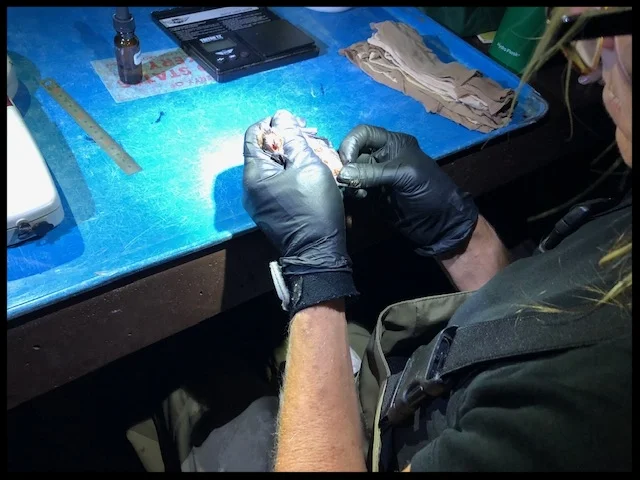
This workshop combined lecture, discussion, and field exercises regarding ecology and conservation of California bats, covering species accounts, physiology, anatomy, behavioral ecology, conservation issues, and mitigation strategies. We employed field techniques of mist-netting, assessing species presence or absence, and acoustic monitoring to gain hands-on experience in monitoring and analysis. During evening field excursions we typically captured a half dozen bat species and, for those with proof of current rabies vaccination, we were allowed practice in extracting, handling, as well as collecting and recording data from captured bats. The following is a list of bats in Humboldt County that are commonly observed.

Scientific Name Common Name

  • Antrozous pallidus pallid bat

  • Corynorhinus townsendii Townsend's big-eared bat

  • Lasionycteris noctivagans silver-haired bat

  • Lasiurus blossevillii western red bat

  • Lasiurus cinereus hoary bat

  • Myotis evotis long-eared myotis

  • Myotis thysanodes fringed myotis

  • Myotis volans long-legged myotis

  • Myotis yumanensis Yuma myotis

Find your own ways to learn more about these creatures, which are extrememly important for pest-control and ecology. Here are some links to get you started!

Bats of the Humboldt Redwoods

The Wildlife Society

Information Regarding Species of Special Concern

Why Bats are Important

Build Your Own Bat House

Classroom portion-Taxonomy, identification and ecology

Classroom portion-Taxonomy, identification and ecology

Mist nets going up

Mist nets going up

Male Myotis

Male Myotis